


Jarom was old. His skin was tight rather than wrinkled and the sunbeams from the window caught his long white beard as he entered the room. His robe was a simple brown, but embroidered with enough detail to make it expensive. He cleared his throat and leaned against a stool as he looked over them. His voice was strong but scratched, as if he had let a cat play with it before joining the boys as they sat on short stools intended for much younger students.
“My dear boys about to become men,” he said, fixing them all with eyes that seemed to jump around the room like frying bacon, “because manhood follows boyhood as surely as boyhood precedes manhood, it is necessary that you, being boys, and thus men-to-be, must prepare to be the men you will become before you cease to be the boys you are now—it is good to see your smiling faces. Before becoming men—while you are still boys—it is incumbent upon you, and incumbent upon me as your teacher, and incumbent upon our society—as it requires men—to decide and embark upon your path of manhoodian labors, in which you will spend the rest of your days, and to do so in a sensible manner with the proper instruction and opportunities for observation and so forth. And so, in these coming months, you will be given opportunity to meet with and visit with and talk with and sit with and listen to and so forth, under all the men in this great city, even Zarahemla, whom this year are seeking boys to become men under their tutelage as apprentices of their craft, that their superiority of skill and knowledge may pass fully unto you, the new generation, that things will come to be as great or even greater than they are now.”
Jarom paused, pulled from somewhere within his stool a finely carved wooden mug, took a sip of water, then brushed down his beard before continuing. “But that is not all of course. It is well enough to learn to be a man from another man—or other men, as in the case of an apprenticeship in leading warriors into battle, or in dungmongering, an occupation often underappreciated by those who just get their food at market and never think about where it actually comes from. But also you must learn to be a man from yourself. For a man should not be any man, a man should be his own man, the only man that a man can be, at least fully, you understand.” Jarom frowned and looked sternly at them, as if he were worried they might willfully misunderstand him. “And so you will plot your future with care and ambition and so forth. Your opportunities are grand this year. Enom the silversmith is looking to take on up to two apprentices. Importers and tailors are looking for apprentices. Of course, as always, half a dozen lawyers or so. And the highlight this year, great Mulek, son of Amaron of the great house of armorers, making the greatest armor this nation or any nation has ever known, and all the great things they’ve done for us keeping people alive and so forth. Of course,” and here he chuckled, “you’ll have to beat our young Hagoth for that position, so . . . heh. Anyway.”
All the other rich men’s boys looked over at Hagoth who looked at his hands and tried to think of something other than his father, armor, or the gas he was struggling to keep inside his body. Why hadn’t anyone reminded him that drinking goat’s milk for breakfast gave him the poots?
“Today we will start by visiting Mikal, who leads the temple guardians, then Boron whose imports allow our best men to look their finest. And, speaking of clothes, we’ll see someone who makes them, someone who sells them and,” he chuckled, “the local boatmaker.”
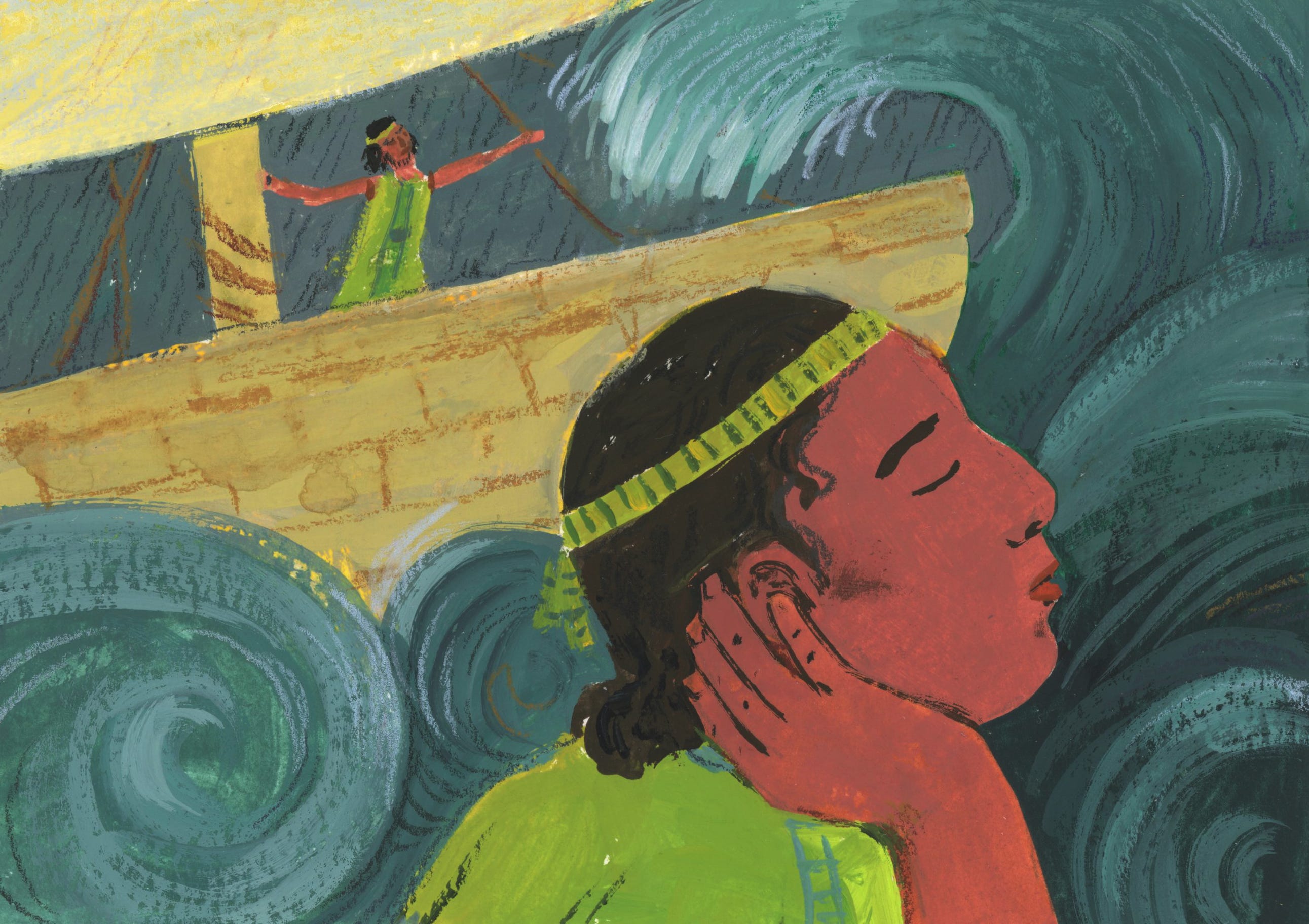
Hagoth had no idea Zarahemla still had a boatmaker. His father Mulek hadn’t made fun of him in months and besides, what did Zarahemla really need a boatmaker for, anyway? Hagoth had only been to the sea—and on a boat—once, in Morianton, when he was three, before his mother died. It was his first memory—and the only one of her. She was telling his father to shut up. He treasured that memory. Boats were great. But in Zarahemla?
Boron, for instance, didn’t use boats. He didn’t even “import.” Basically he snuck into Lamanite lands, killed birds, then sold their feathers. “It’s exciting, it’s dangerous, it’s profitable, and you can always keep a feather for yourself. No better way to impress the ladies. You’re all old enough to know what really matters.”
All the potential masters, like Boron, met them dressed in their best finery until the boatmaker, Lehonti, who came to his shop door dressed in a holey sackcloth tunic and worn woolen pants—reminding them that no matter what the clothing hawker had said, wool was not traditional finery.

